The Comète Freedom Trail
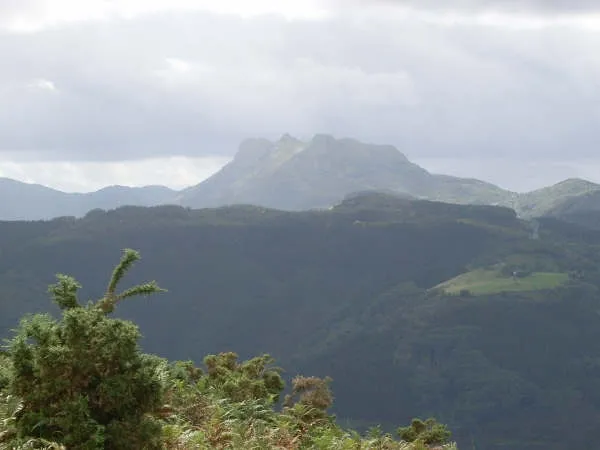
High in the hills – The ‘Three Crowns’ in the distance
The Comète Freedom Trail was inaugurated to commemorate the many helpers of the Comète Line from Belgium, France and Spain who assisted Allied escapers and evaders and other fugitives to escape from occupied Europe, then continue on their way to London via Gibraltar. The Comète Line was founded in Brussels where it had most of its safe-houses and became a collaboration between ‘helpers’ from three countries – Belgium, France and Spain. The evaders who travelled along the Line were mainly aircrew of about twenty different nationalities. The line was ‘blown’ a number of times but always regrouped with new members.
The route from Brussels was mainly by train, via Paris, to the SW Pyrenees and the Basque Country. Once in the Basque country the evaders were moved quickly. On arrival at Bayonne or St Jean de Luz they were given food and drink and then waited until dark when they were moved quickly into the hills. The River Bidassoa was the border between France and Spain and all crossings were carried out at night, often in hostile weather conditions, despite border guards on both sides of the river. The ‘helpers’ treated evaders’ injuries and provided food and clothing, couriers, guides and safe-houses when needed.
The ‘helpers’ of the line paid a high cost for their allegiance to Comète. Many were captured, tortured, and executed. Others simply ‘disappeared’ into the concentration camp system of the Third Reich. The Comète Freedom Trail is dedicated to the ‘helpers’ of all nationalities who ensured by their actions that the Comète escape line route remained open throughout WW2.
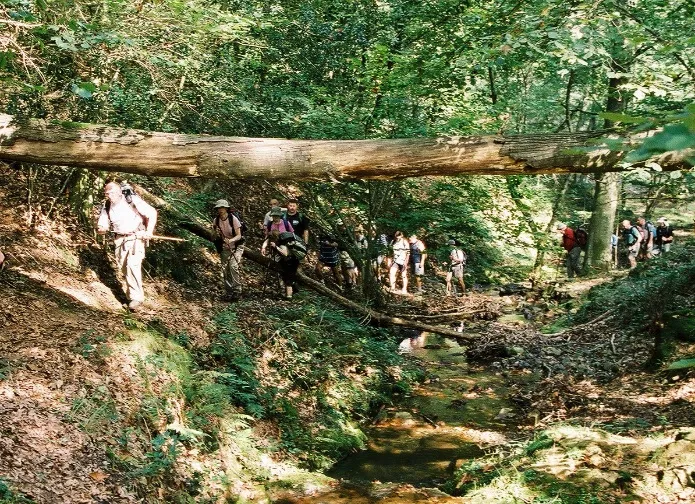
Various teams walk The Comète Freedom Trail throughout the year but the main Commemorative event is held annually in September. The walking part of the event takes place over two days; the distance is approximately 26 miles from the start at St Jean de Luz in France to San Sebastian in Spain. Different finishing points are used dependent upon the requirements of the walkers and the organisers. The day immediately prior to the walk and the day following the walk are allocated to memorial events and services in the locality.
All walkers on this event must ensure that they are capable of undertaking an arduous walk over hilly and rugged terrain often in high temperatures. Participants, especially family members of former evaders, should be aware that the route followed by this trail is known as ‘The St Jean de Luz Passage’ and that there were at least a further four Comète routes in the area that were used at various times. The commemorative St Jean de Luz route is intended to be representative of all those routes used by Comète.
Commemorative Event
The commemorative event, initially instigated by ELMS, is now organised locally by Les Amis de Comète.
The wartime guides used various routes, dependent upon the local situation at the time, but the main commemorative trail, following the St Jean de Luz Passage, was established to be representative of the various routes taken by the guides.
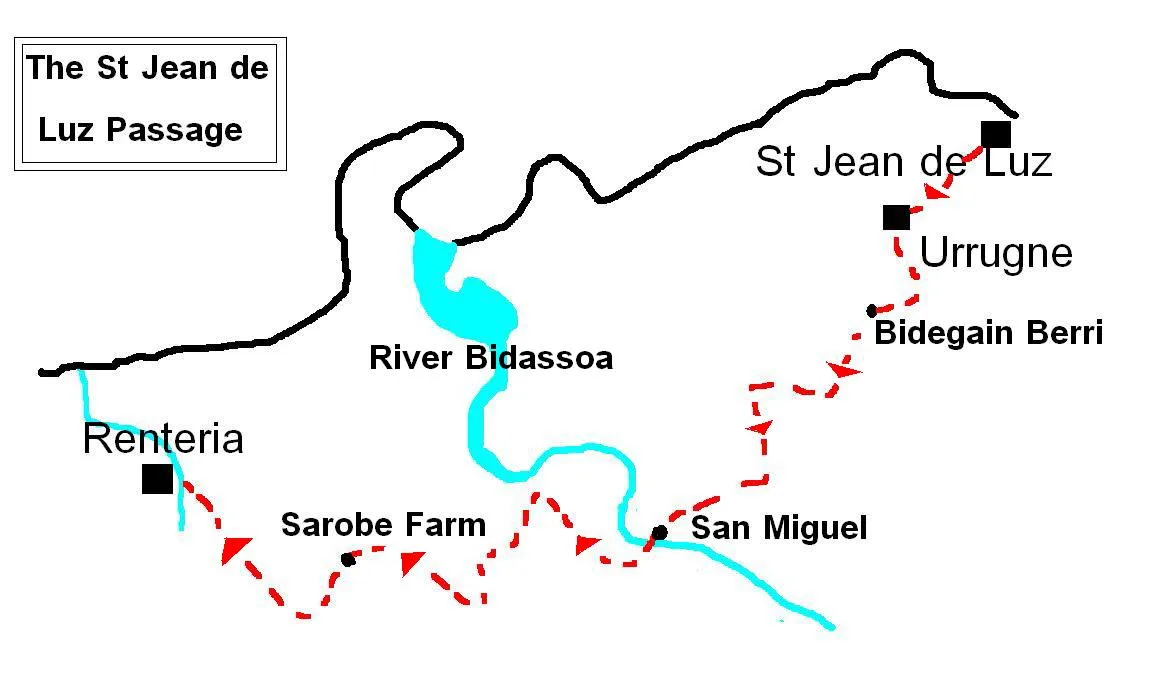
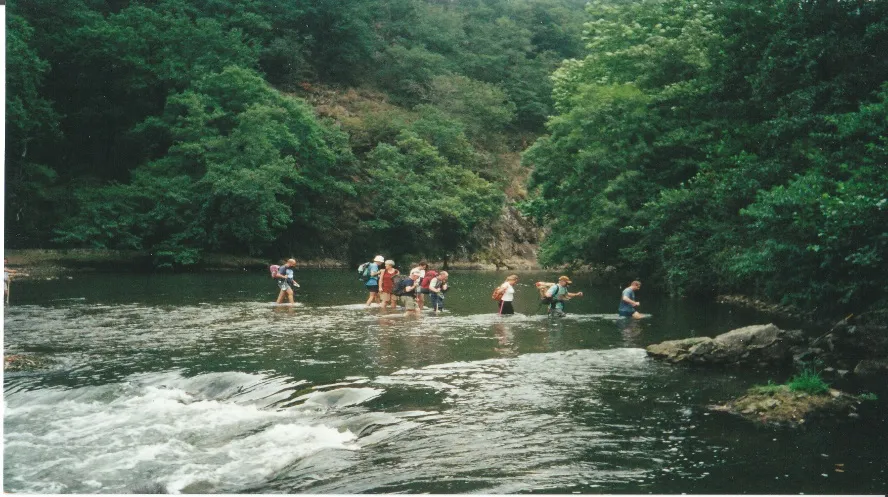
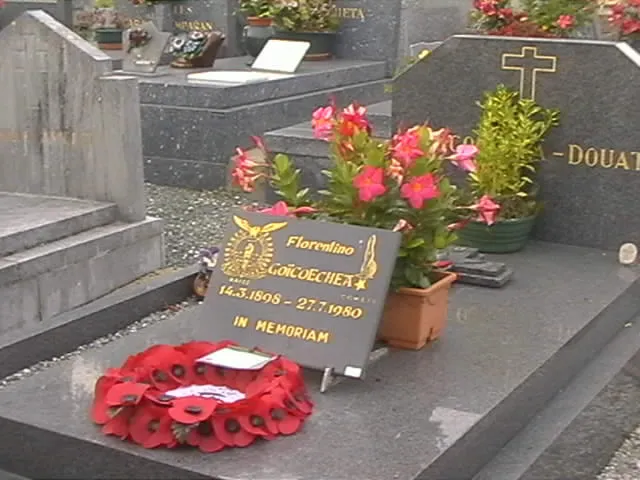
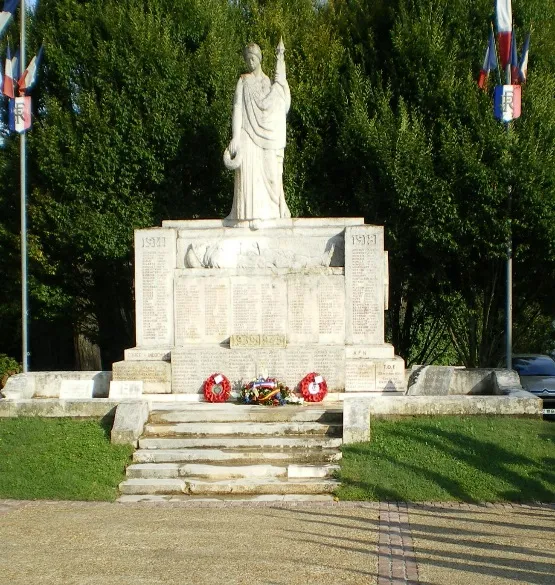
Landmarks and places of historical significance include: The former home of Edouard and Cyprienne Dassie; the site of the Villa Voisin, from where the de Greef family operated; the prison in St Jean de Luz where Andree de Jongh and other captured helpers were first incarcerated; the graves at Socoa Cemetery of the main Comète guide the Basque Florentino Goicoechea, and Kattalin Aquirre a chief organiser and safe-house keeper; the War memorial at Urrugne; Francia Usandizanga’s safe-house at Bidegain Berri and a crossing of the River Bidassoa at St Miguel, which was often undertaken by the guides and evaders during ‘full flood’. Following a break and a BBQ on the Spanish bank of the river, the trail continues to Sarobe Farm, the first safe-house in Spain, and then on to the finish at Renteria.
Walkers should be prepared and equipped for walking in uneven hilly terrain under variable conditions. Also for a crossing of the River Bidassoa [possibly in water up to waist-high and over uneven sharp stones].